
Arts Advocacy Toolkit
Hawai‘i Arts Alliance is proud to share the release of our new position paper, “Arts and Culture Are Critical Infrastructure for O‘ahu’s Economy, Safety, and Community Well-Being.” Developed in response to recent City & County Grant-in-Aid funding recommendations, this resource affirms the essential role that arts and culture play across our communities.
The paper highlights how arts and culture are not peripheral—they are foundational. They contribute to economic recovery, strengthen public safety, and support the overall well-being of our communities. Grounded in both data and lived experience, this work reflects the realities many across the sector already understand and provides a framework for communicating that impact more broadly.
This resource is intended to support advocates, organizations, and community members in a variety of ways, including:
Sharing with decision-makers
Strengthening testimony and funding requests
Expanding conversations beyond the arts sector
This release marks an important first step. Hawai‘i Arts Alliance is continuing this work with plans to develop neighbor island-specific versions and a broader statewide framework to support unified arts advocacy across Hawai‘i.
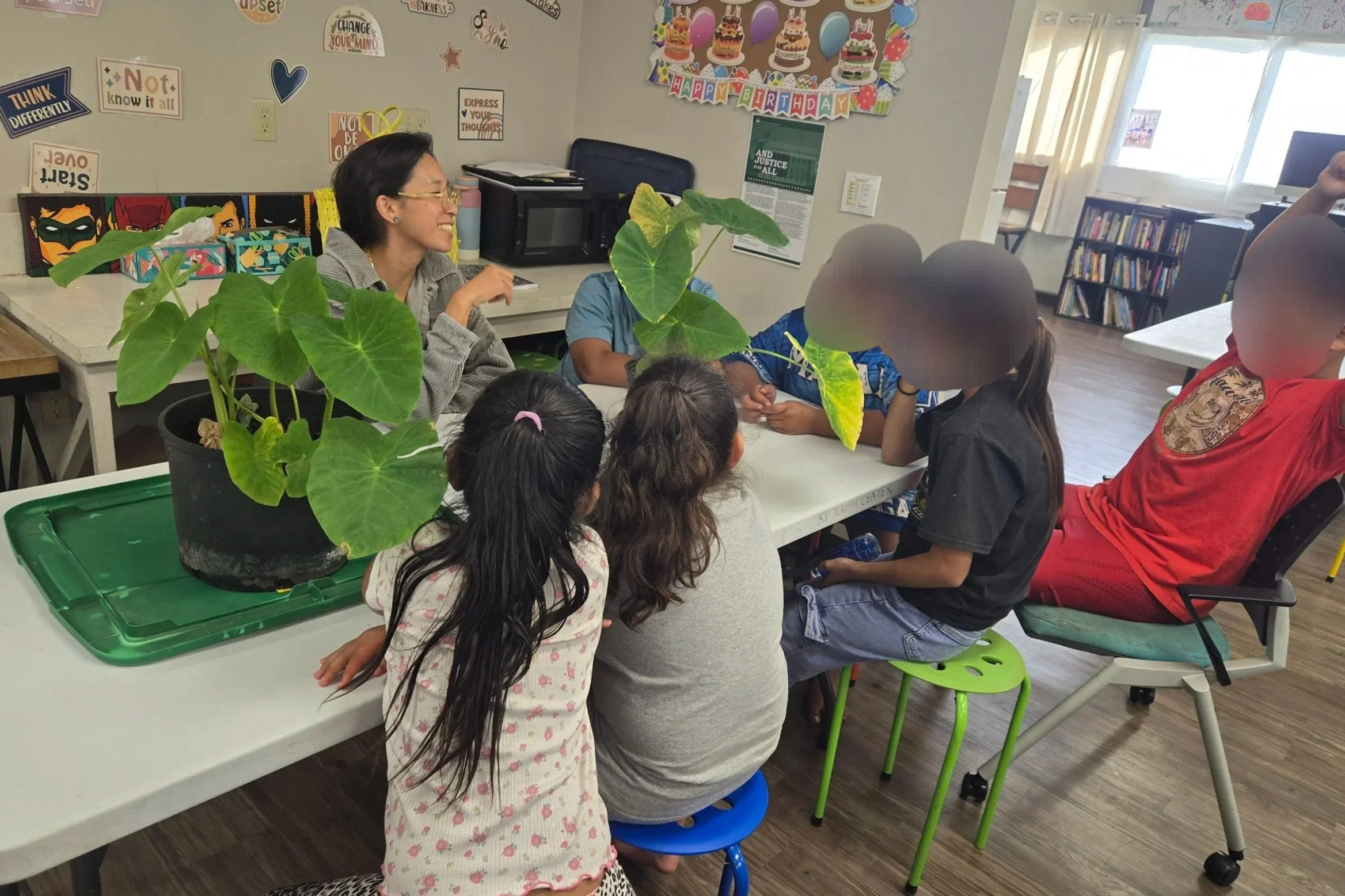
Advocacy for the Arts and Arts Education
Resource Library
Advocacy for the Arts is essential to Hawaiʻi’s cultural vitality, community wellbeing, and democratic life. The arts are not an “extra”—they are a public good that strengthens our economy, education system, and shared sense of identity.
Why Advocacy for the Arts Matters
Economic Engine
The arts sector creates jobs, stimulates local economies, and generates significant revenue—supporting millions of livelihoods nationwide and contributing to Hawaiʻi’s creative economy.
Community & Empathy
Art creates shared experiences that bridge cultural divides, foster empathy, and help people understand diverse perspectives—bringing communities together across difference.
Education & Youth Development
Arts education improves academic outcomes, critical thinking, and creativity. Students engaged in the arts consistently demonstrate higher GPAs, test scores, and long-term educational success.
Social & Emotional Wellbeing
Art is a powerful tool for healing, stress relief, and mental health. Creative expression helps individuals process trauma, build resilience, and cultivate joy and connection.
Voice & Empowerment
Arts advocacy amplifies marginalized voices—supporting storytelling that confronts injustice, increases accessibility, and elevates lived experience, from migrant worker narratives to disability justice.
Innovation & Cultural Identity
Artists are innovators who shape Hawaiʻi’s cultural identity. Advocacy helps create sustainable conditions where artists can live, work, and contribute meaningfully to our communities.
Democratic Dialogue
Arts advocacy defends free expression, resists censorship, and ensures public access to diverse—even challenging—ideas that enrich civic dialogue and democratic life.
About This Resource Library
The Hawaiʻi Arts Alliance Advocacy Resource Library is designed to support artists, educators, cultural practitioners, and community members who want to advocate effectively for the arts and arts education.
This library helps advocates to:
Master the Basics
Learn effective advocacy techniques—from storytelling and message framing to using qualitative and quantitative data to make a compelling case.
Understand the Policy Landscape
Stay informed on key issues, trends, and opportunities in arts and arts education policy so you can position your advocacy strategically.
Take Action with Confidence
Access step-by-step guidance on engaging policymakers, mobilizing community support, and sustaining advocacy efforts over time.
Use Ready-to-Go Tools
Save time with templates for emails, testimony, letters, to amplify your message and streamline outreach.
Legislative Advocacy
Arts advocacy often focuses on shaping public policy to create a fertile environment where the arts and arts education can thrive. Policies affecting arts and culture are considered at the federal, state, and county levels, each with direct impacts on daily life in Hawaiʻi.
Federal Level
At the federal level, the National Endowment for the Arts (NEA) plays a vital role in advancing national arts priorities.
Congress determines NEA funding through the federal appropriations process.
State Level (Hawaiʻi)
At the state level, the State Foundation on Culture and the Arts (SFCA) oversees state funding for the arts.
The Hawaiʻi State Legislature determines SFCA appropriations through the state budget.
Hawaiʻi State Legislature Overview
Convenes annually from the 3rd Wednesday of January through early May
Bicameral body:
Senate: 25 members
House of Representatives: 51 members
Participating in Legislative Session
The Hawaiʻi State Capitol’s award-winning website is a public, user-friendly resource for:
Tracking bills
Submitting testimony
Receiving hearing notifications
Conducting bill and statute research
Key resources:
Capitol Website (main portal)
Site User Guide
General Information & FAQs
Public Access Room (PAR) – online and in-person support for navigating the legislative process
Key Stages of the Legislative Process
Idea & Drafting – Concepts originate with citizens, organizations, or legislators and are drafted into bill language.
Introduction – A legislator introduces the bill (HB or SB) in one chamber.
Committee Review – Committees hold hearings, amend, and vote on the bill.
Chamber Debate & Vote – The full House or Senate debates and votes.
Second Chamber – The process repeats in the other chamber.
Conference Committee – If versions differ, a joint committee reconciles them.
Final Approval – Both chambers vote on the identical final bill.
Executive Action – The Governor signs, vetoes, or allows the bill to become law.
Veto Override (if necessary) – Requires a two-thirds vote in both chambers.
Additional Legislative Resources
Legislative Glossary
2026 House of Representatives Overview
House Member Directory
2026 Senate Overview
Senate Member Directory
Testimony Submission & Bill Tracking (registration required)
Arts Education Advocacy
Hawaiʻi has a strong network of teaching artists and arts educators working across public and private schools statewide—though continued advocacy is essential to strengthen access, equity, and sustainability.
For a comprehensive introduction to arts education advocacy, the National Guild for Community Arts Education offers a highly regarded toolkit.
Creating an Advocacy Plan (courtesy of Hawai`i Children’s Action Network)
Effective advocacy is strongest when it is intentional and collaborative.
Steps to plan your advocacy
What problem are you solving?
What kind of solution do you need?
Make a plan, keeping in mind:
Targets
Allies
Obstacles
Influencers
Effective Messaging
Tactics and Strategy
Execute your plan
Ethics & Transparency Guidelines
Advocacy must be conducted ethically and transparently.
The Hawaiʻi State Ethics Commission provides guidance on ethical conduct and lobbying requirements for individuals and organizations engaging with state government.
Key Ethics Resources
County-Level Ethics Requirements
Each county maintains its own ethics and lobbying guidelines:
ICYMI (In Case You Missed It!)
If you missed the Hawaiʻi Arts Alliance’s free Advocacy Training Series (Fall 2025), recordings and materials are available here.
When we advocate for the arts and arts education, we are investing in connection, creativity, and community—today and for generations to come. Your voice matters. Every story shared, every testimony submitted, and every conversation started helps build a Hawaiʻi where the arts are valued, accessible, and protected. Start where you are. Speak from your experience. The arts need your voice!